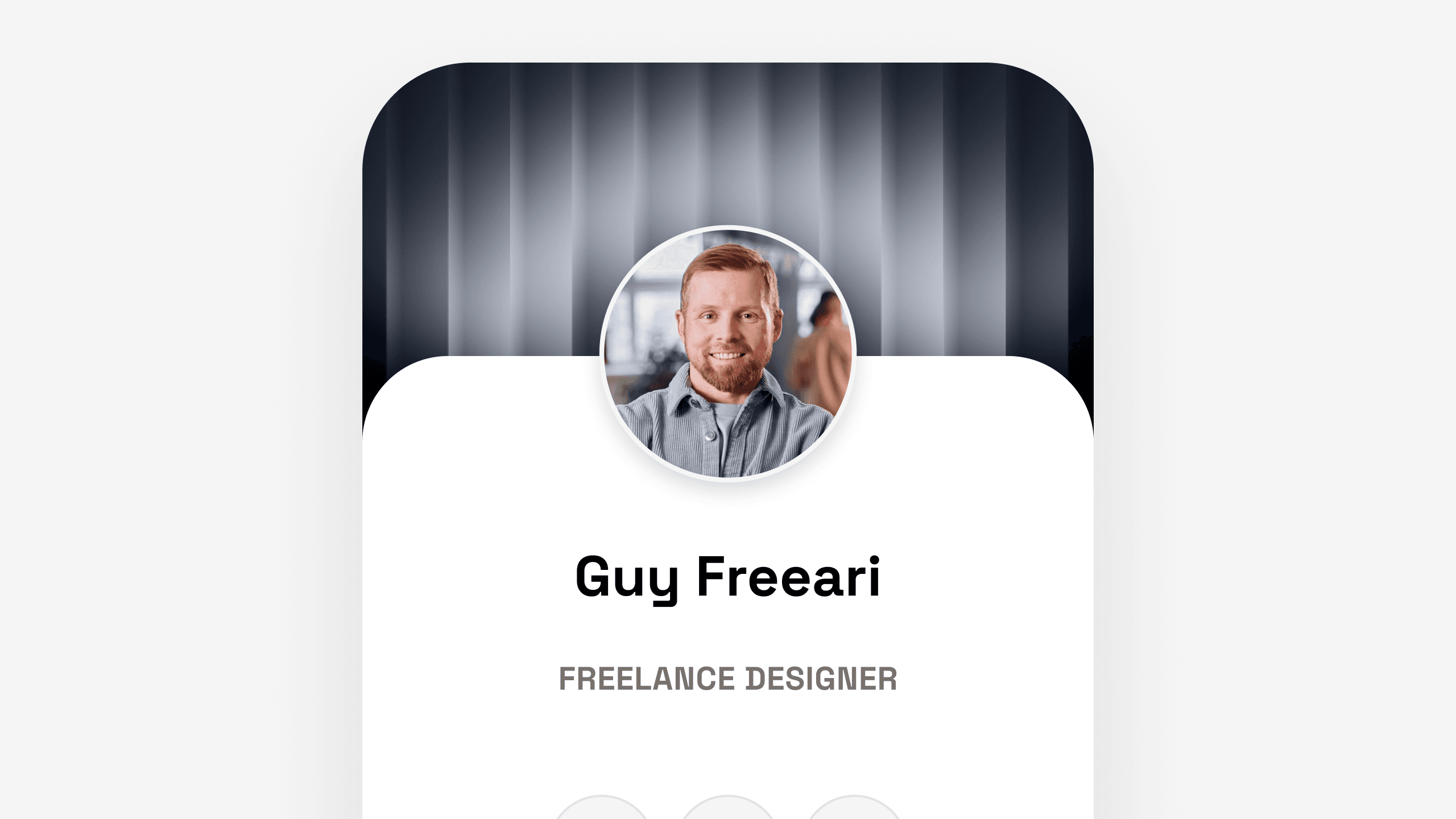
Paper business cards have one problem that digital cards solve cleanly: the person you gave one to last quarter has no way of knowing you changed jobs. A digital card, properly built, stays current everywhere it has been shared. The challenge in 2026 is not finding a platform; it is finding one where the free tier is genuinely usable rather than a trial dressed up as a feature.
This comparison covers nine platforms. For each, the focus is on what the free plan actually includes, where the limits sit, and who it suits.
What a useful free digital business card plan needs to do
Not all free plans are built the same way. Some are genuine products with sustainable limitations. Others are freemium traps: functional enough to create a dependency, restricted enough to make you upgrade.
Four questions separate one from the other. Does the free card show the platform's branding? Every person who scans your card sees that badge, which means you are advertising the platform at your own expense. Can you update your card without changing its URL or QR code? A card that produces a new link every time you edit it is just a digital version of reprinting. Can you export the contacts you collect? Lead capture that locks your data behind a paywall is not a free feature; it is a hook. And does the card work without the recipient downloading anything? App-required sharing limits who can receive your card in practice.
Which platforms hide behind branding on the free tier
The branding question is where most platforms make their money on free users. HiHello attaches "Powered by HiHello" to every card on the free plan. Blinq and Popl both show platform attribution on free cards. Uniqode's free tier carries branding too.
Wave Connect and Lynkle are the exceptions worth noting. Wave's "Forever Free" plan and Lynkle's free tier both produce unbranded cards, which is unusual at no cost and makes both platforms more credible for professional use from day one.
Umbel's free Basic plan also removes platform branding. The card reflects your identity rather than the tool's.
Which platforms let you update your card without redistributing it
This is the core promise of a digital business card, and most platforms deliver on it. HiHello, Blinq, Wave, Popl, Uniqode, Linq, Lynkle, and Umbel all maintain a permanent card URL. You update your details and the existing QR codes and shared links resolve correctly.
Canva is the exception. Canva is a design tool, and its business card templates produce a static file or shareable design link. If your details change, you redesign and redistribute. It appears in searches for free digital business card options because the design output is genuinely good, but it functions more like a printed card than a live one.
Which free plans include lead capture and contact export
Lead capture is available on some free plans but often with restrictions that matter in practice. HiHello limits free users to five lead capture scans per month, and contact export sits behind the Professional plan at around $8 per month. Popl caps your visible contact list at five people on the free plan; you can collect contacts but cannot see most of them without upgrading.
Umbel includes a lead form on the card and allows CSV export of captured leads on the free Basic plan. Analytics covering card views, shares, click-through rate, and individual link clicks are also included. For a free tier, that is a meaningful set of tools for anyone sharing their card at events or in sales contexts where knowing who engaged with it matters.
Wave Connect includes unlimited sharing on the free plan but does not offer the same depth of analytics or lead export without upgrading.
Which platforms offer real design flexibility at no cost
Design limitations are where most free plans feel most like trials. Blinq's free tier offers some basic customisation, but animated backgrounds, layout control, and custom fonts are all off the table. HiHello gives you four card profiles and access to its template library, which is more than Blinq but still limited compared to what the paid plans unlock.
Umbel's free Basic plan includes design presets, card styles (Solid, Outline, Glass, or none), theme options, Google Fonts, and background customisation. That is closer to what most platforms reserve for paid tiers. The practical result is a free Umbel card that looks like a deliberate design choice rather than a default template.
Linq is worth noting here for creators and consultants: its marketplace approach lets free users connect multiple services directly to their card, including links to streaming profiles, booking pages, and portfolio sites, which goes beyond what a standard contact card does.
Which free plans work for more than one person
Most free plans are single-user by design. Uniqode's free tier covers one user. HiHello, Blinq, and Popl all require a paid plan before any team features become available. Wave Connect is an exception: small teams can get started on the free plan, though centralised branding controls and admin oversight require upgrading.
Umbel's team features, including a central admin dashboard, a template system with four permission policies, bulk CSV upload, and employee management with roles, sit on the paid tiers. The For Teams plan starts at R29 per user per month billed annually. The free Basic plan is designed for individuals and professionals rather than for organisation-wide rollout.
Who each platform suits
HiHello suits individuals who want a widely recognised platform and are prepared to live with the branding and the outreach emails it sends to their contacts. Four card profiles on the free plan is generous; the product works.
Blinq suits someone who wants simplicity over design. It handles the basics without friction and is a reasonable starting point for anyone evaluating the category.
Wave Connect is the strongest free option for freelancers or small teams who share cards frequently. Unlimited sharing and Apple Wallet support on the free tier, without watermarks, is a combination most platforms do not offer at no cost.
Lynkle suits individuals who want an unbranded free card and do not need analytics. The product is simpler than HiHello or Wave, but it does not push hard on its limitations.
Linq suits creators and consultants who want a card that links out to multiple platforms and content sources, not just a contact sheet.
Canva suits anyone who needs a professionally designed card and does not expect to update it or track who opens it.
Popl suits occasional networkers who are evaluating the platform before committing. The five-contact cap makes the free plan unsuitable for active use.
Umbel suits professionals who want a free card that does not look or behave like one. The free Basic plan includes design flexibility, lead capture with CSV export, and analytics that most platforms reserve for paid tiers. For organisations that want to roll out branded cards at scale, the For Teams plan is worth comparing directly against the enterprise tiers of Uniqode or Popl, which carry significantly higher per-user costs.
Making the decision
The free tier landscape in 2026 is genuinely more useful than it was a few years ago. If your main criterion is no branding and no monthly limits, Wave Connect and Lynkle are the standouts. If you want a free card with real design options and lead capture built in, Umbel's Basic plan is worth starting with. If you want the most widely recognised free platform, HiHello does the job, with the caveat that your contacts will hear from the platform directly.
For teams, the honest answer is that most meaningful features are paid regardless of which platform you choose. The question then becomes which paid plan fits your budget and how the free tier performs in the meantime.
Create your first card for free at umbel.me.
Ready to level up
your networking?
Create your premium digital business card in minutes and start making better connections today.
Get Started Free