Is a Digital Business Card Worth Getting in 2026?
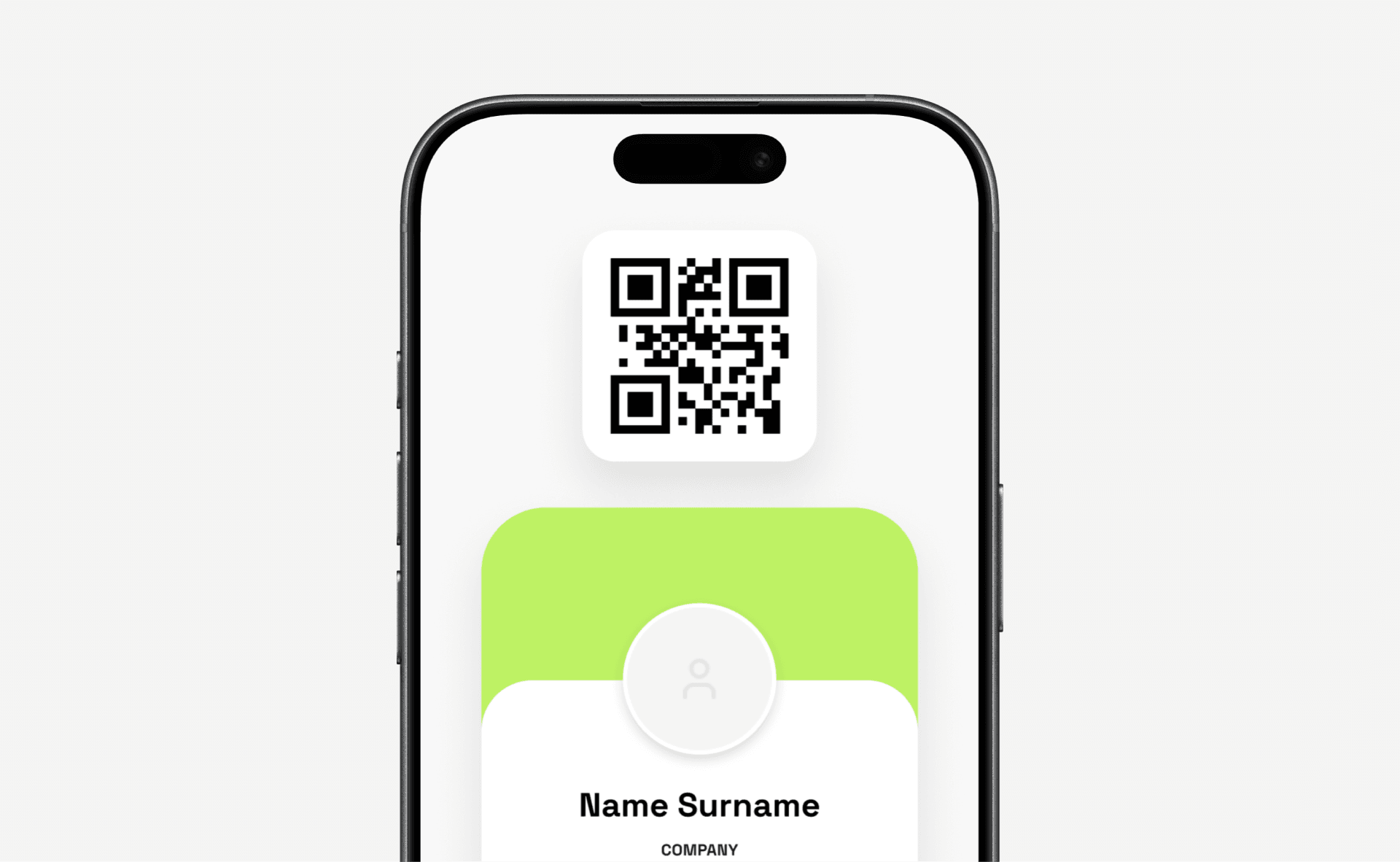
The question tends to come up after an event. You ran out of paper cards on day two, or you swapped cards with a dozen people and spent the following week trying to remember which number belonged to which face. A digital business card solves both problems. But it is worth understanding exactly what you get before choosing one, because the options range from genuinely free to surprisingly expensive.
Here is a plain answer to whether it is worth having in 2026.
Yes, for most professionals, a digital business card is worth it. The free tiers on most platforms cover the basics well enough that switching costs nothing. The upgrade path is reasonable when you need more. And the practical case for digital over paper becomes clearer the more you use one.
Do people actually receive and use them?
This is the most common concern. Build a clean digital card, hand it to someone, and you have no idea whether they opened it or filed it mentally alongside everything else they meant to get to.
The key difference is that engagement with a digital card is measurable. A good platform shows you card views, link clicks, and share counts. You can see whether someone looked at your card after the event, which link they clicked, and whether they saved your contact details. Paper gives you none of that.
The other factor is friction. Sharing a digital card takes a second with a QR code or a link. The recipient does not need to download anything to view it. That low barrier matters at events, on calls, and in any situation where someone has their phone in hand and a brief window of attention.
Are Digital Business Cards Better Than Paper?
For everyday networking, yes. For a small number of situations, paper still has a role.
Digital cards have three advantages paper does not. They update instantly: change your number, title, or company and every version of your card reflects it immediately, with no reprinting and no crossed-out details. They work at any distance, so you can share your card via a link in an email, a WhatsApp message, or a Zoom chat without being in the same room. And they never run out.
Paper still makes sense in formal settings where handing someone a physical object carries meaning, such as a first meeting with a senior executive, or in industries and cultures where the exchange ritual matters. But for most professional interactions in 2026, digital is more practical and more permanent.
What About NFC Business Cards?
NFC cards are physical cards with a chip embedded in them. Tap one against a compatible smartphone and a contact profile or link appears automatically, no QR scan required. They work well in face-to-face settings and make a strong first impression.
The limitation is familiar: once the card is manufactured, your details are locked in. Change your phone number or role and you need a replacement.
Some platforms pair NFC hardware with a live digital profile. The chip loads your current card rather than a static contact record, which gives you the convenience of tap-to-share alongside a profile you can update at any time. Whether that combination is worth the added cost depends on how often you network in person and how frequently your details change.
Are Digital Card Free Plans Good Enough?
It depends on what you need and whether you are working alone or as part of a team.
Free plans cover the basics: a shareable card, a QR code, and a link you can send to anyone. If the goal is to stop reprinting paper cards every time your details change, free is enough.
Where free plans tend to fall short is analytics, design control, and anything team-related. They are built for individuals. Once you are managing cards for a department or a whole company, you need a central admin dashboard, template locking, and the ability to create and update multiple cards without doing it one at a time.
Umbel's free Basic plan gives you a card you can share immediately. If you want more design control, a custom URL, or Apple Wallet and Google Wallet support, the Professional plan is R69 per month or R49 per month billed annually. For teams that need central controls and brand templates, the Teams plan is R49 per month or R29 per month billed annually.
See our pricing for more details.
Who Gets the Most Out of a Digital Business Card?
Three groups see the clearest return.
Sales and events professionals who attend conferences or work in the field benefit most. The combination of instant sharing, analytics, and lead capture turns a card exchange into something measurable rather than a gesture you cannot track.
Small business owners and solo consultants who want a professional presence without the ongoing cost of reprinting get a card that does everything a physical one does, plus updates and shareability, for nothing on the free tier.
Teams where brand consistency matters, such as client-facing departments or sales floors, benefit from the ability to set templates centrally and ensure every card looks the same across the organisation without requiring manual oversight.
A digital business card from Umbel is free to start and takes a few minutes to set up. Start building yours at umbel.me.
Ready to level up
your networking?
Create your premium digital business card in minutes and start making better connections today.
Get Started Free